
The Same Road, Different Ride
The difference between moving through a system and feeling every crack in it

Perspective changes the experience—even when the path is the same.
A well-timed insight can prevent problems someone else doesn’t yet see.
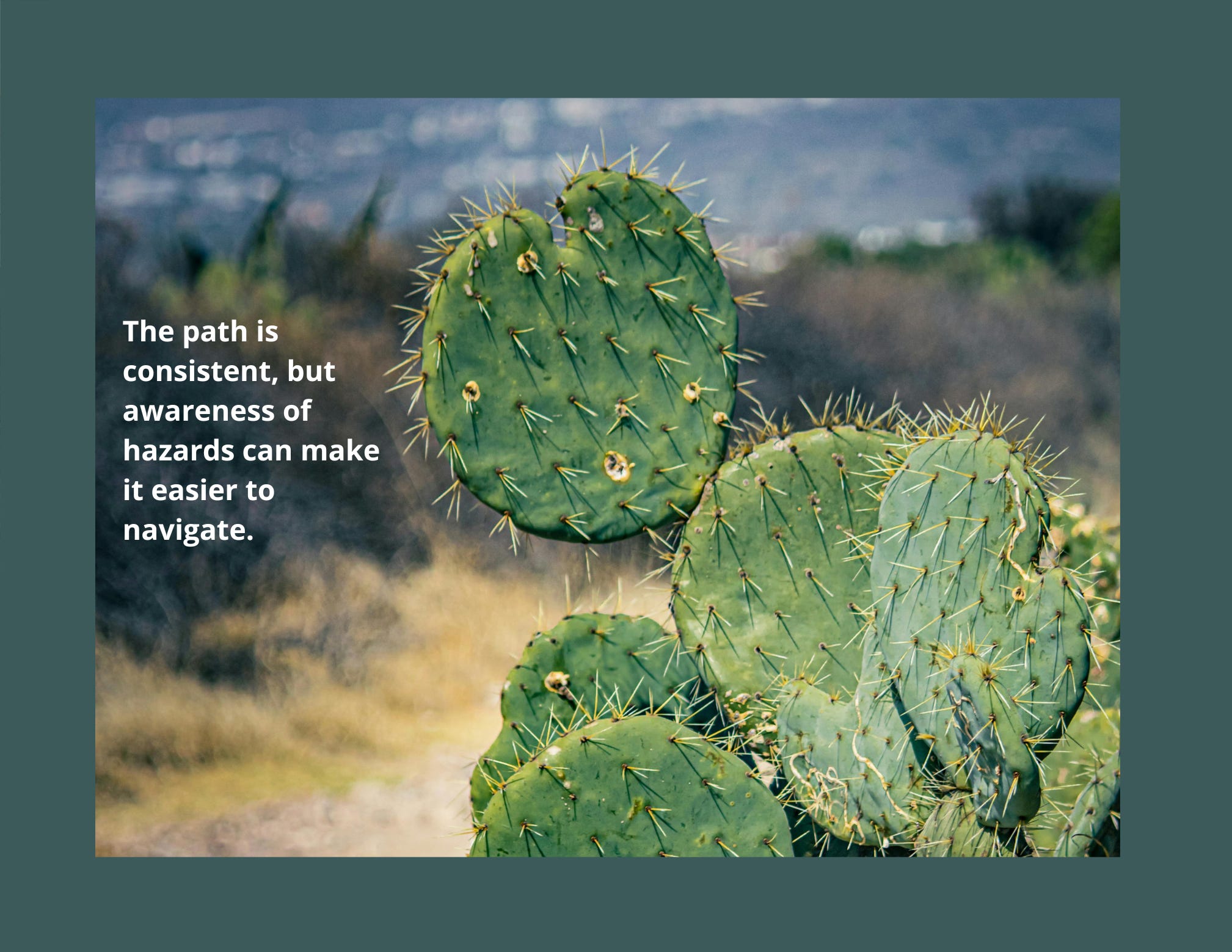
Spring marks the beginning of the cycling season for me, and I’ve begun to enjoy gliding along country roads starting just a few miles from my house. The stillness of winter and its low light conditions have given way to the greening of the landscape and brightness of spring. What’s been dormant springs back to life in ways that surprise and delight me every year.
The hazards unseen by many
This new season also brings changing road conditions.
Every year, new and expanded potholes appear, created or worsened during winter. The warming seems to awaken squirrels and other creatures; next, car-critter accidents leave behind carcasses before nature’s clean-up crew, turkey vultures, arrive. Grass clippings occasionally spill into the road when mowing crews or homeowners misdirect their cuts. Loose gravel shifts into places I don’t expect.
All these happenings shape my experience. As my friends and I ride along, we point out and avoid hazards, chitchat that is both natural and essential.
Today, as I walked in my neighborhood and noticed new potholes, I am reminded of how different the experience of the driver is from the cyclist or pedestrian on the same road. One person can often cruise over what another must actively avoid.
A single path with very different experiences
This difference in perspective feels familiar.
Just as cyclists (or walkers) experience the road differently than drivers, executors experience systems differently than the professionals who work within them. During the estate settlement process, I often felt like the cyclist who’s aware of every bump, gap, and unexpected obstacle while others moved along as if the path were smooth and predictable.
The court staff acted as if all activities were routine, simple, and easily understood. As someone entering this system for the first time, I found nearly every aspect of these interactions challenging — from finding the probate office, learning county-specific rules, and adapting my interactions to a new system being implemented just as I was closing the estate.
The attorneys seemed content to wait and see how things would unfold. They didn’t appear concerned about last-minute adjustments or changes in direction. Concerned about the consequences of my actions, I wanted to know the path from the start so I could avoid mistakes that could cost me time and money.
The bankers and account representatives often had access to information I needed but couldn’t see. Their systems were designed to protect the financial institution and its staff, not to smooth the way for the executor. What seemed sensible to them appeared quirky and incohesive to me.
Appreciation for those who call out what’s ahead
Yet, there were times when the professionals saw the process from my perspective. In those moments, they answered questions precisely. They anticipated what I might need next to reach my goals. They helped me avoid problems I didn’t yet know I might otherwise encounter.
In these moments, the process seemed smoother. The hazards were still there, but those ahead of me and with a broader perspective helped me see them clearly.
I’ve rarely been on a ride without obstacles. But it makes a huge difference when others keep you informed rather than let you figure everything out for the first time.
The same is true in estate work. The process may be routine for some, but for others, every decision carries weight. When those embedded in the system take time to see it from the first-time executor’s perspective, they can make the path navigable for the earnest but inexperienced others, like me.
When has someone helped you navigate a new path? How might you do that for someone else?