
When Spending Feels Better Than Saving
A look at doomspending, saving, and the kind of spending that may actually help

Takeaways:
When the future feels uncertain, spending now can feel more satisfying than saving for later.
Some spending secretly adds pressure. Some spending builds intangible assets, such as useful skills and stronger connections with friends and the community.
Why saving can feel pointless right now
Recently, my alumni magazine highlighted a podcast about money called This is Uncomfortable, hosted by Reema Khrais, a UNC grad. An episode title that piqued my interest: “Everything’s on fire, might as well get my nails done?”
The topic is “doomspending,” a term that’s new to me but a concept I instantly recognized. When the future seems too uncertain, too far away, and, well, too doomed, spending may feel more sensible than saving. Climate change, geopolitical tensions, and the seeming impossibility of ever saving enough to make a difference — these are driving younger generations to spend now rather than invest for a future they can’t imagine.
As a natural saver who has benefited from a stockpile of cash, whether it’s $1,000 for a down payment on a first car to drive to a first real job, or $10,000 to cover expenses while settling an estate, I can’t imagine a world in which I didn’t value saving — even as I take in the turmoil and uncertainty around me.
When spending can help with peace of mind
For doomspenders, buying things and experiences may feel like a good way to more fully enjoy life in the moment. There’s also the hope that spending will alleviate stress about uncertainty in the future.
What surprised me was the response of the experts featured in this episode about this type of spending. They understood the reluctance and perceived futility of saving. They even endorsed the idea of spending — if it indeed enhanced a sense of well-being. They particularly valued spending when it helped people connect with friends, perhaps on a trip together or a shared experience.
They also recommended connecting with people in other ways that didn’t involve spending. Volunteering was suggested as a way to feel good and become more involved in a local community.
I appreciate the direction the experts took. But I wondered if they could go further on ways to spend wisely.
How spending can help us build a better future
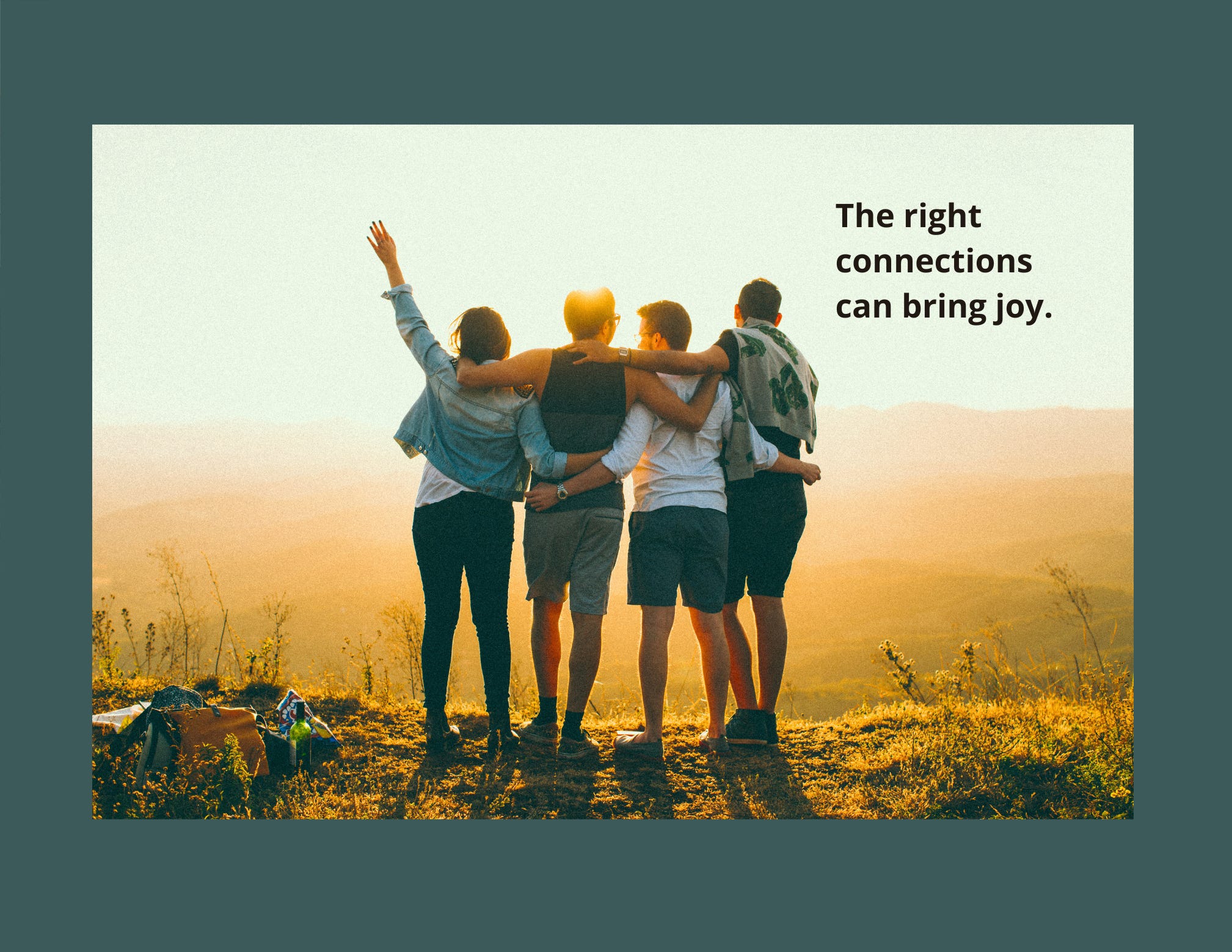
Connection to friends and the broader community are definitely worth spending on, and they can bring joy in the moment. They are also essential to thriving in the future, offering perspectives, resources, and support to us that we may never develop otherwise.
I’d also consider how spending could support the development of skills valuable in nearly any environment, such as gardening, medical expertise, mechanical repair, and language skills. This kind of spending builds assets and could also help lessen anxiety about the future.
This podcast episode helped me better understand why some spending can be hazardous and other spending, healthy. Aimless spending may drain a bank account, add debt, and make the future feel even harder to face. Thoughtful spending can build a rich life through experiences, skills, and stronger connections.
Spending too much can add pressure. Spending on what matters can bring joy, ease stress, and help you feel more connected to friends and family. And even when saving feels small or pointless, it still has value. A little cushion today may become the thing that helps you through a challenging time later.
How would you describe your spending? Does it deepen your relationships, expand your skills, or prepare you for an uncertain future?